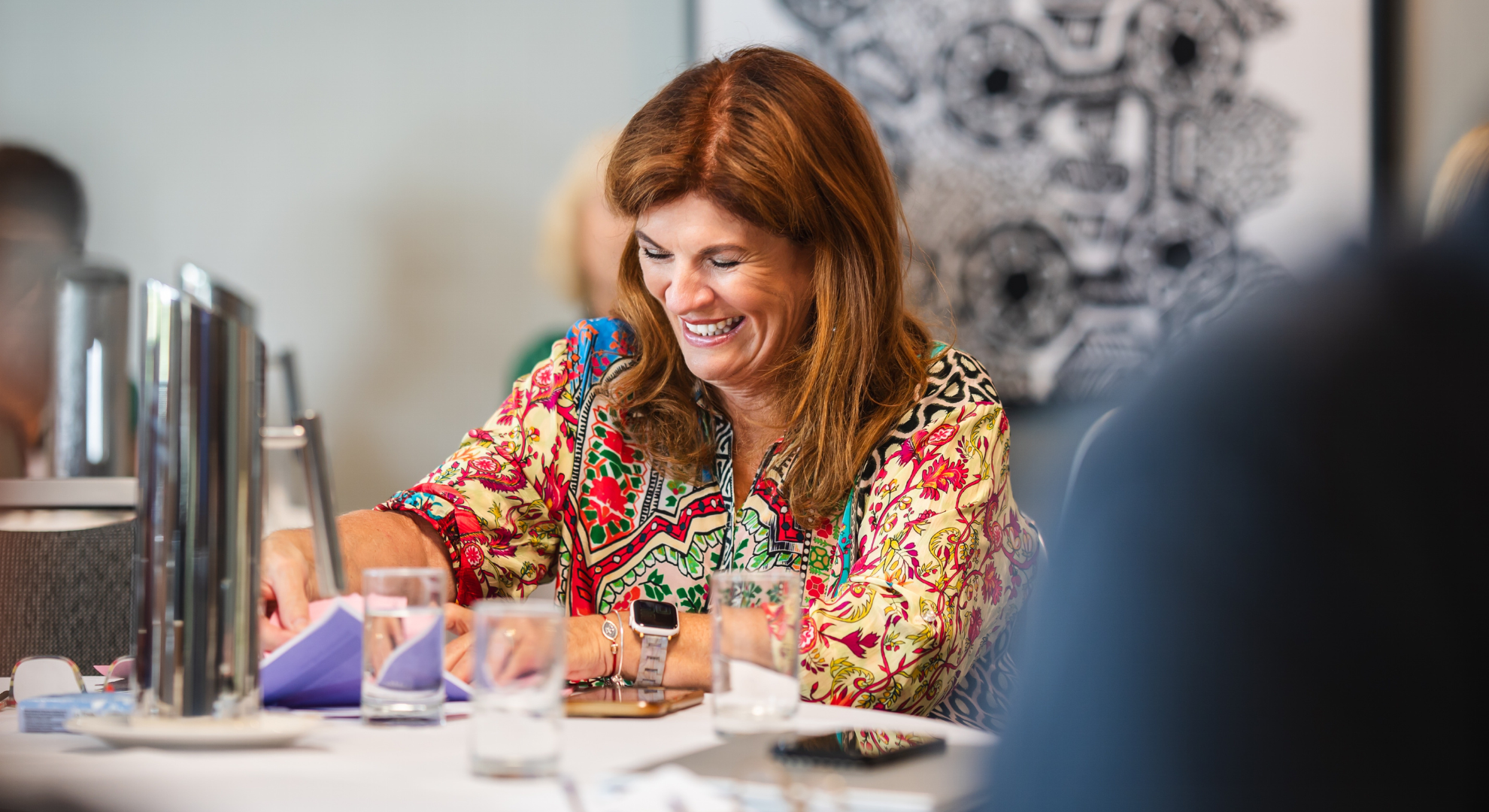

Written by Debra Cerasa (CEO, Amplify Alliance Australia)
Watching Assistant Minister for Charities, The Hon Dr Andrew Leigh MP, deliver his address at the National Press Club on “Rebuilding trust: the future of Australia’s charities and community life”, I was struck by how reassuring it was to hear a serving minister speak so clearly about the value of charities to Australia’s civic life.
His message was simple and profound: if we want to rebuild trust, we must strengthen the organisations that bring people together — our charities, community groups and social services. Our Not for Profit sector is at the forefront of that work.
As CEO of Amplify Alliance Australia, the national peak body for Not for Profit (NFP) social and human service organisations, I welcome this.
Our Members have spent years holding communities together through fires and floods, a pandemic, a cost-of-living crisis and a housing system under immense strain. They know that trust is not an abstract noun. It is built in waiting rooms, on outreach visits, in youth groups and at neighbourhood barbecues.
At the same time, when I listen to our Members, I hear an important opportunity for this agenda to go further.
While the Minister has called for a new “trust agenda”, many in the sector are keen to see that ambition matched by stronger, earlier and more consistent engagement in government processes. The question now is how this speech can become a turning point — one that translates to a welcome vision into practical change.
A powerful vision of civil society
In his address, Assistant Minister Leigh set out a compelling diagnosis.
Australians are joining fewer groups, volunteering less, and reporting lower levels of trust in others than a generation ago. Formal volunteering has fallen, membership of civic and community groups is down, and the ties that bind us have frayed.
His response is to place charities and community organisations at the heart of rebuilding that civic fabric, outlining four big shifts that need to occur:
- Growing local giving and community foundations so philanthropy is rooted in place.
- Normalising charitable bequests as part of the enormous intergenerational wealth transfer underway.
- Closing the digital divide so charities have the systems, data and cyber security they need.
- Implementing the Productivity Commission’s Future foundations for giving report and the 10-year Not-for-Profit Sector Development Blueprint in genuine partnership with the sector.
He matched this with concrete regulatory reforms including lifting minimum distributions from “giving funds” so an extra $60 million a year flows to charities, streamlining registers to reduce red tape, and encouraging a culture where leaving a gift to charity in a will is normal, not unusual.
For a sector that has weathered a “war on charities” and attacks on advocacy in recent years, hearing the Assistant Minister state (that) “one of the great errors in public debate is to treat charities as subcontractors for government,” matters.
What our NFP Members are telling us
And yet, in Member roundtables, surveys and direct conversations, I hear a consistent theme: it is getting harder, not easier, to be heard early and meaningfully in government decision-making.
Our Members describe:
- Consultation windows so short that frontline expertise cannot be properly gathered.
- Co‑design processes that are announced with fanfare but constrained by pre‑determined decisions.
- A focus on bilateral deals that sidelines smaller and regional organisations providing essential place-based capacity building services.
When your funding contract depends on a single department, and you are juggling workforce shortages, compliance and complex client needs, it is hard to also be the policy advocate your community needs.
That is why Amplify Alliance exists. To aggregate experience, test ideas against practice, and make sure government hears more than the loudest or most convenient voices.
If we are serious about rebuilding trust, then government must trust — and properly resource these representative structures. A trust agenda that does not address how government listens will always be incomplete.
How we will respond as a NFP peak body, for our Members
Our Members heard several opportunities in the Assistant Minister‘s speech, and they expect us to pursue them.
First, we will push for a genuine “charity digital compact” that works for social and human services.
Many of our Members cannot meet modern data, cyber and reporting expectations on outdated systems and short-term funding. We will work with technology partners, and government to define baseline digital capability for our sector — and to secure the investment needed to reach it.
Second, we will continue to advocate for policy settings that make it easier for our Members to participate in local giving, community foundations and philanthropic opportunities, and not sit on the sidelines.
Our Members have deep relationships in communities; community foundations and local philanthropic structures can turn that trust into long‑term, flexible funding.
Third, we will use the momentum from the Future foundations for giving report and the Not-for-Profit Sector Development Blueprint to argue for engagement structures that actually work.
That means early involvement in policy design, standing advisory forums that include peaks and lived-experience leaders, and realistic timeframes for consultation.
From speech to shared strategy
Assistant Minister Leigh has done the NFP sector a service by naming “trust” as part of national infrastructure and charities as some of its essential builders. I agree with him.
Trust is not built by algorithms or in comment threads. It is built close to home, in our relationships, by enhancing meaningful connections, in the everyday work our Members do with families, older people, people with disability, migrants and refugees, and people experiencing homelessness or mental ill-health.
To fully rebuild trust, government must be prepared not only to speak to the sector, but to hear it. Especially when the message is uncomfortable.
To truly regain trust, we must elevate the support that NFPs provide to communities, especially those in our communities who most vulnerable.
Our role as a peak body is to make sure that happens. To carry our Members’ insight into every room where decisions are made, to defend their right to advocate, and to insist that partnership is measured not by speeches, but by shared decisions and better outcomes for the communities we collectively serve.
 Debra Cerasa is a purpose-driven CEO, Board Director and social sector advocate, known for leading with heart, building strong communities, and delivering transformational change across the Not for Profit human and social services sector.